Founder · Taiwan / United States
Jensen Huang
His parents sold nearly everything to send him to a US boarding school that turned out to be a reform school for troubled kids. He cleaned its toilets, waited tables at Denny's, and later started Nvidia in a Denny's booth.
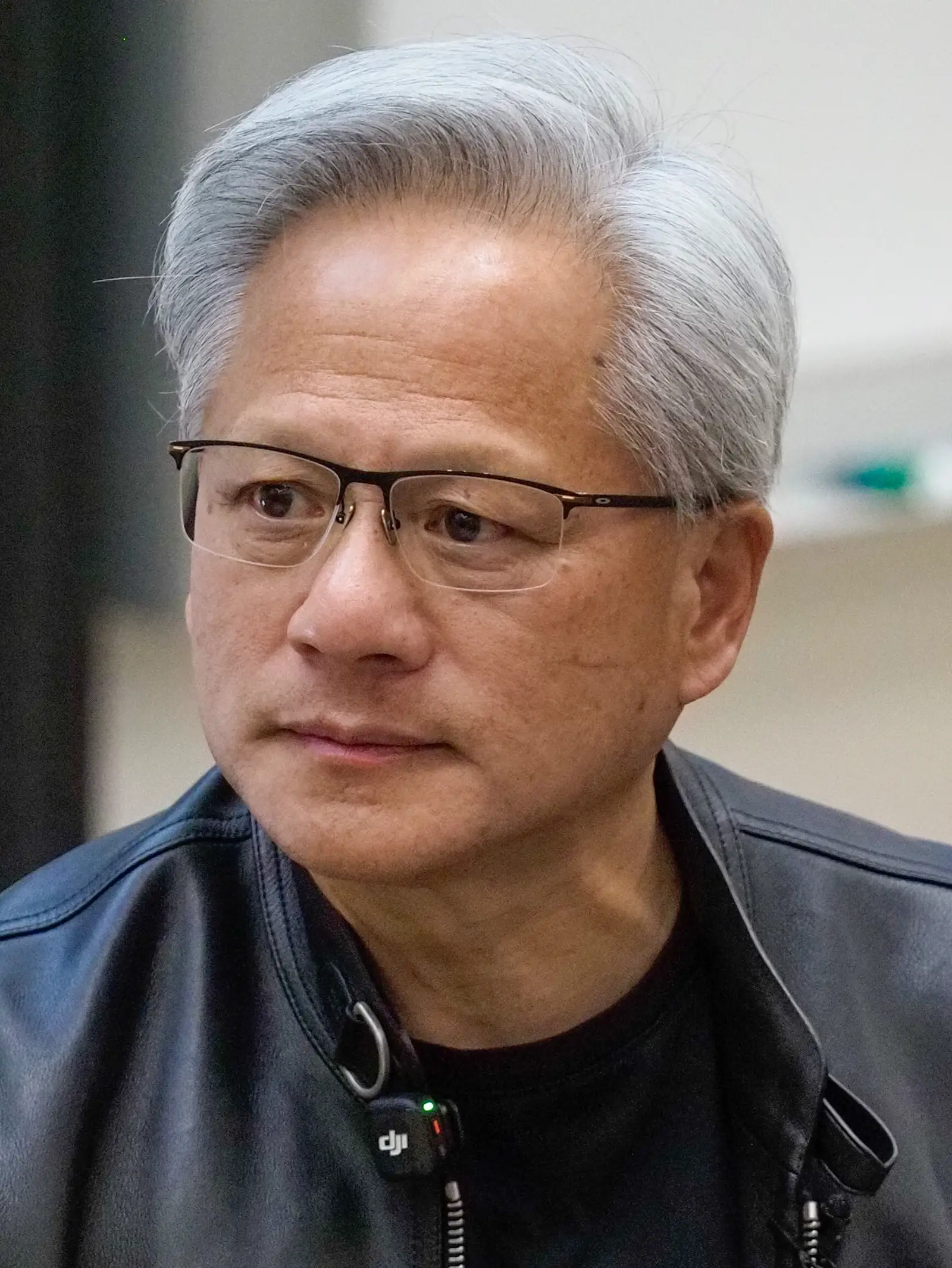
At a glance
| Born | 17 February 1963, Taipei, Taiwan |
| Moved to the US | 1973, aged 9, with his older brother |
| Teen job | Dishwasher, busboy and waiter at Denny's, 1978–1983 |
| Education | Oregon State, BS electrical engineering (1984); Stanford, MS electrical engineering (1992, night classes) |
| Before Nvidia | Chip designer at AMD, then LSI Logic |
| Founded | Nvidia, 5 April 1993, with Chris Malachowsky and Curtis Priem |
| Starting capital | $600 in founders' share capital ($200 each) |
| Near-death | 1996: cut staff from 100 to 40; one month of payroll left in August 1997 |
| Company today | First company to pass $5 trillion in market value (October 2025) |
| The question his life answers | How do you run a company that is always thirty days from going out of business? |
“The ending of the story is I loved the time I was there. We worked really hard — we studied really hard, and the kids were really tough.”Where he came from
01Where he came from

- Born on 17 February 1963 in Taipei. He grew up in Tainan and then Thailand, where his father worked for an oil refinery.[1]
- In 1973, aged 9, he was sent to the US with his brother. An aunt and uncle enrolled them at Oneida Baptist Institute in Kentucky, thinking it was a good boarding school. It was a religious reform academy for troubled kids; locals saw it as a reform school, and county schools sent it children they had expelled.[1][3]
- His parents sold nearly all their possessions to pay the fees.[1]
- He was bullied and beaten at the local school. At Oneida he cleaned the toilets every day. Wikipedia says he taught his roommate, a 17-year-old, to read in return for lessons in bench pressing.[1][3]
- "The ending of the story is I loved the time I was there. We worked really hard — we studied really hard, and the kids were really tough."[3]
02How he paid the bills
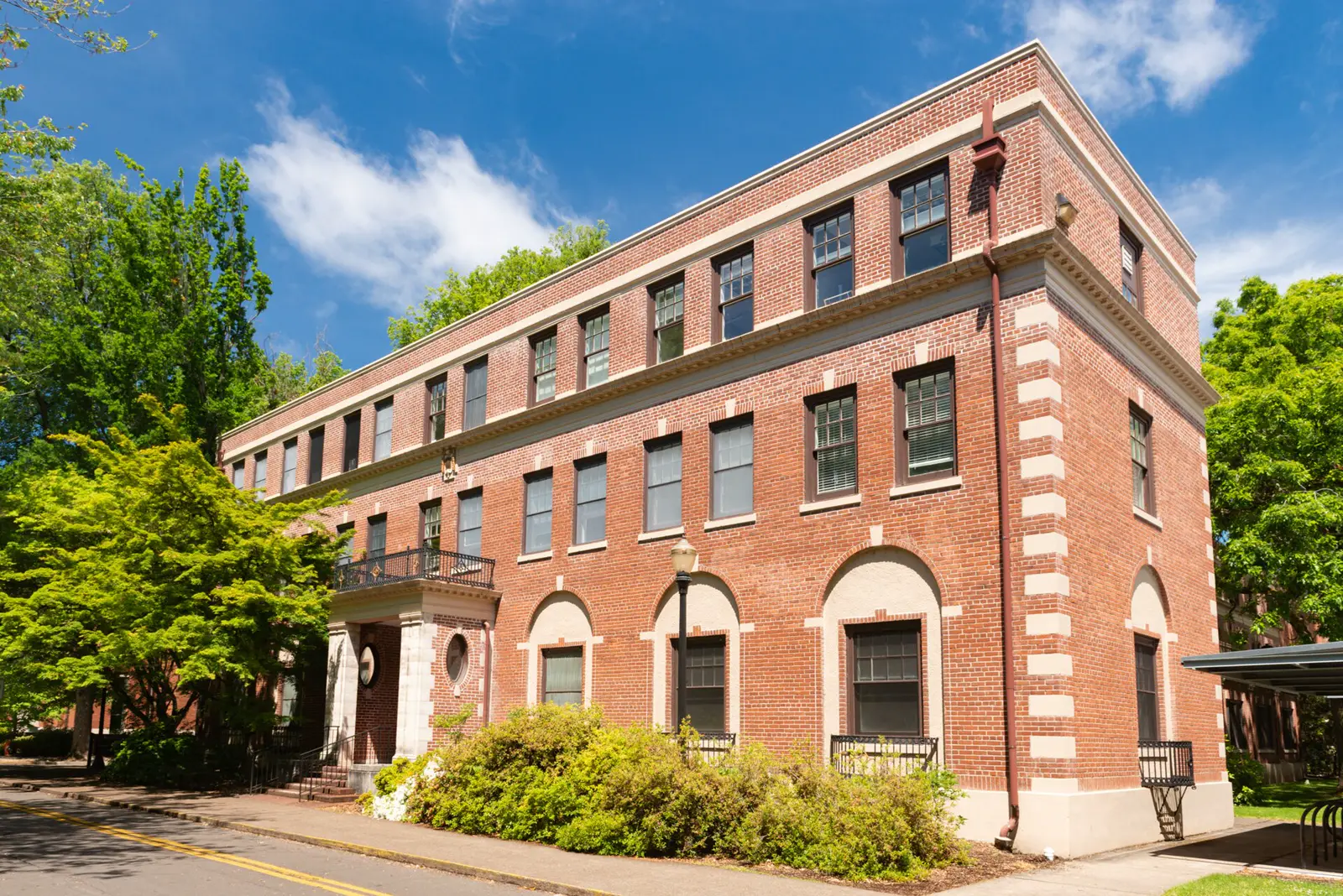
- At 15 he started the night shift at Denny's as a dishwasher, busboy and waiter. He worked there from 1978 to 1983.[1]
- At Aloha High School in Oregon he skipped two grades, finished at 16, and became a nationally ranked table-tennis player.[1]
- He picked Oregon State because in-state fees were low, and graduated in electrical engineering in 1984.[1]
- "To me, no task is beneath me," he said in 2024. "Because remember I used to wash dishes, and I mean I used to clean toilets. I cleaned a lot of toilets."[4]
03Starting Nvidia in a Denny's booth

- He designed chips at AMD, then moved to LSI Logic. Working with LSI's client Sun Microsystems, he met two Sun engineers, Chris Malachowsky and Curtis Priem. He took a Stanford master's at night and finished in 1992.[1]
- The three planned Nvidia at a Denny's in East San Jose. In 2023 a plaque was put on the booth.[1][2]
- A lawyer asked for the $200 cash in his pocket to set up the company. Each founder put in $200, so its first share capital was $600. He signed the papers on 5 April 1993.[1]
- Sequoia Capital, Sutter Hill Ventures and others then invested $20 million.[2]
04Thirty days from going out of business
- Nvidia's first chip, the NV1, drew graphics with four-sided shapes. The rest of the industry used triangles, and NV1 flopped.[2]
- Sega's president, Shoichiro Irimajiri, came in person to tell him Sega was choosing another chip for its Dreamcast console. Irimajiri then persuaded Sega's management to invest $5 million anyway. Huang said Irimajiri's "understanding and generosity gave us six months to live".[2]
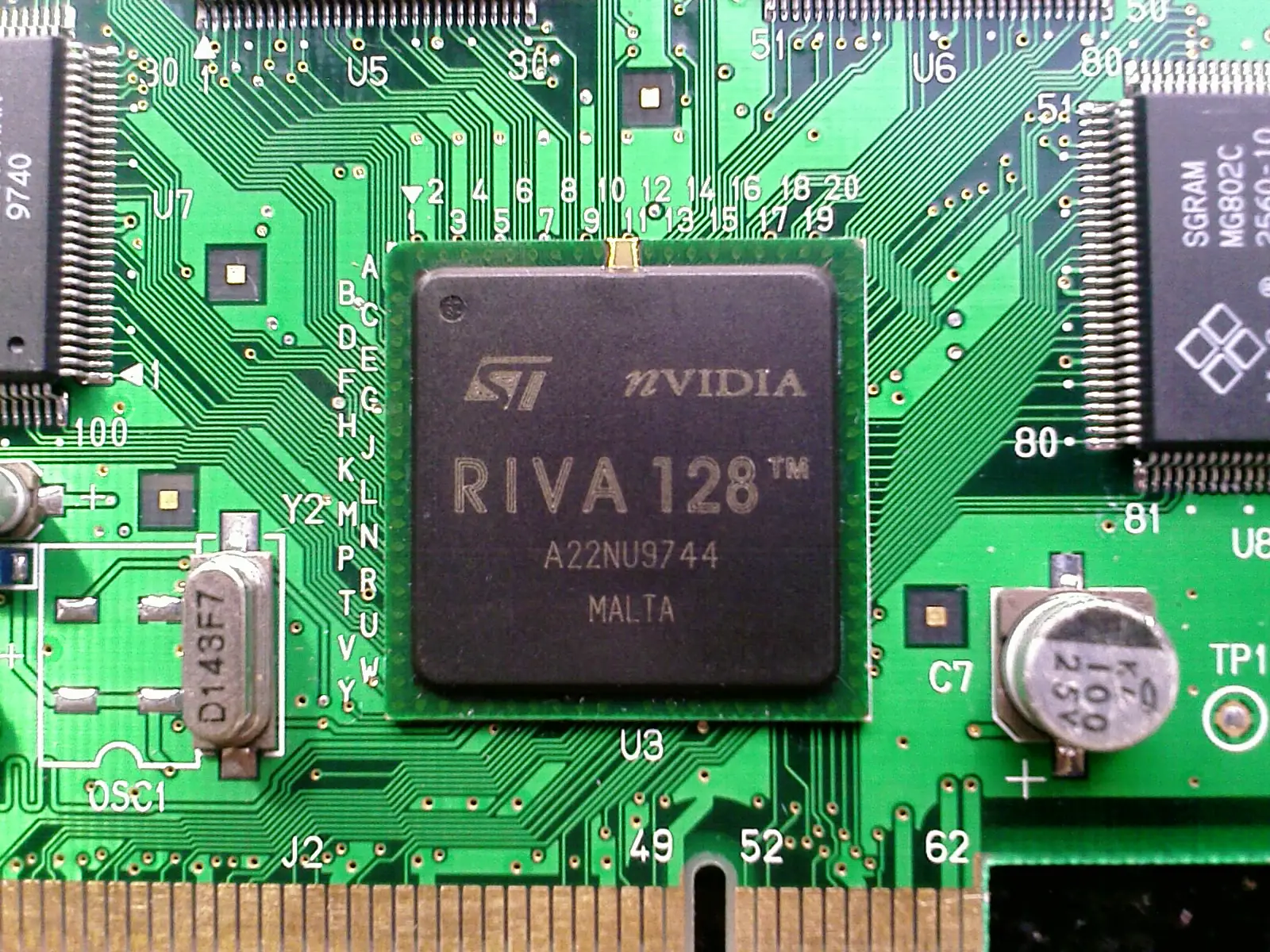
- In 1996 he laid off more than half the staff, from 100 people to 40, and put everything into one chip, the RIVA 128.[2]
- When it shipped in August 1997, Nvidia had money for one month's payroll. It sold about a million in four months.[2]
- For years he opened staff meetings with the company's unofficial motto: "Our company is thirty days from going out of business."[2]
05From game chips to AI
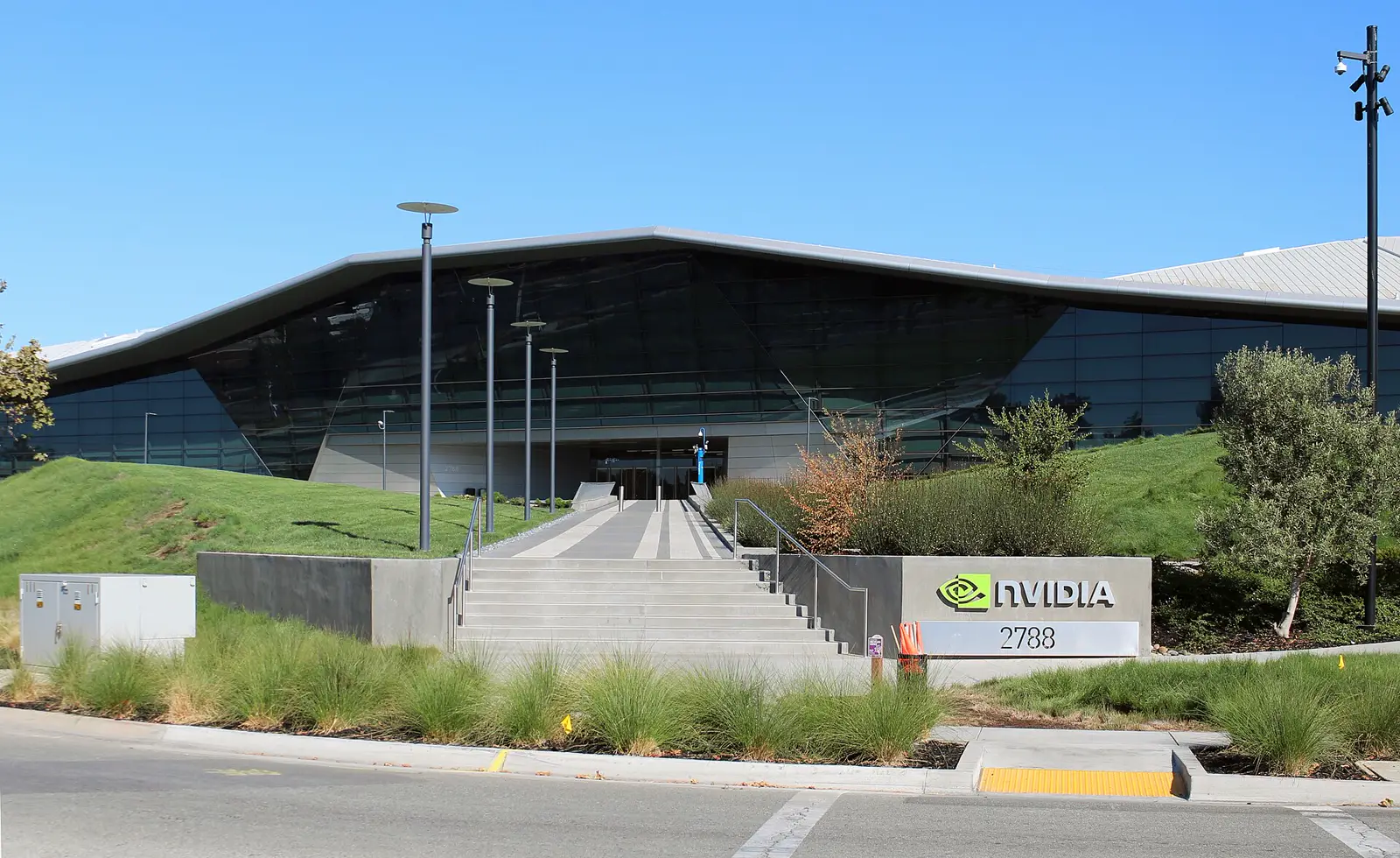
- In late 1999 Nvidia released the GeForce 256, the first chip it sold as a "GPU".[2]
- In the 2000s it spent over a billion dollars on CUDA, software that let its chips run all kinds of parallel work, not just games.[2]
- By 2025 Nvidia had more than 80% of the market for chips used to train and run AI models. It became the world's most valuable company in June 2024, at over $3.3 trillion, and became the first company past $5 trillion in October 2025.[1][2]
- His advice to Stanford students: "I wish upon you ample doses of pain and suffering."[5]
Lessons
- No job is beneath you. He cleaned toilets at 10 and bussed tables at 15.
- When you are wrong, switch fast. NV1 bet on the wrong shapes; the RIVA 128 used triangles and saved the company.
- Cut deep enough to survive. Laying off 60 of 100 people kept Nvidia alive long enough to ship.
- Tell your team how close the edge is. "Thirty days from going out of business" kept everyone honest.
- Build for the future before it arrives. CUDA cost over a billion dollars years before AI made it matter.